


.png)
.png)
Everything small business owners need to know about SBA 7(a) and 504 loans — requirements, documents, timeline, and tips to get approved faster.
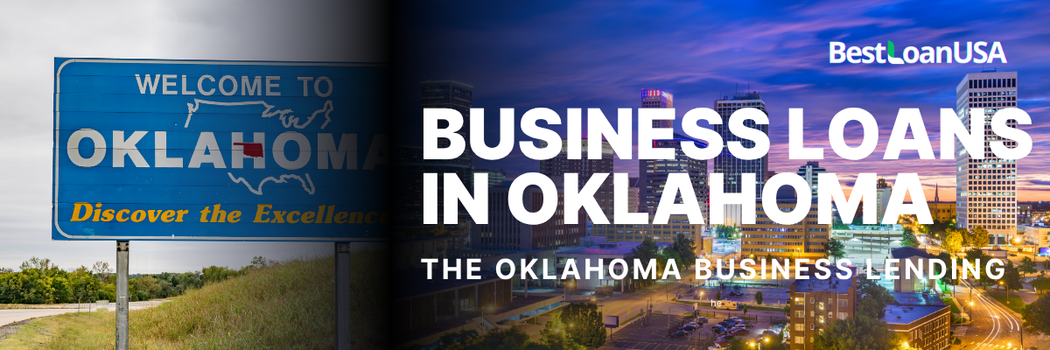
Business Loans in Oklahoma: What Small Business Owners Need to Know
Oklahoma's economy has historically centered on oil and gas, agriculture, and more recently aerospace and defense — with Oklahoma City and Tulsa serving as the state's two major business hubs. For small business owners, this creates a lending environment that rewards industry knowledge, strong local banking relationships, and an understanding of how Oklahoma's economic cycles affect credit access.
Oklahoma's Small Business Lending Environment
Oklahoma has a strong community banking tradition. Community banks and regional institutions like BancFirst, Bank of Oklahoma, and Arvest Bank are significant SBA lenders in the state and often provide more personalized underwriting than national banks. The Oklahoma City and Tulsa metro areas have competitive lending markets; rural Oklahoma is primarily served by community banks and credit unions.
Energy price cycles create volatility in Oklahoma's economy that lenders account for. Businesses with direct or indirect ties to the energy sector may face more conservative underwriting during oil price downturns. Businesses in non-energy sectors benefit from a generally affordable cost of doing business and lower commercial real estate costs compared to coastal markets.
SBA Lending in Oklahoma
SBA 7(a) and 504 loans are available through numerous approved lenders across Oklahoma. The Oklahoma City SBA District Office serves the entire state. Active SBA lenders include BancFirst, Valliance Bank, Vast Bank, and several community institutions. Oklahoma consistently ranks among the more active SBA markets per capita in the South Central region.
The SBA's Express program — allowing faster approval for loans up to $500,000 — is widely available in Oklahoma and worth requesting from any SBA preferred lender. Processing times for standard 7(a) loans run 3 to 5 weeks; 504 loans typically take 6 to 9 weeks.
State and Local Programs
Oklahoma Department of Commerce (ODOC): Administers several business development programs including the Oklahoma Small Business Linked Deposit Program, which reduces interest rates on loans made by participating banks through state deposit subsidies. This can meaningfully lower borrowing costs for qualifying businesses.
Oklahoma Capital Investment Board (OCIB): Provides venture capital and equity financing for Oklahoma businesses, particularly technology and innovation-focused companies.
Oklahoma Opportunity Fund: Gap financing for economic development projects that create or retain jobs in the state. Works alongside conventional and SBA financing.
Tulsa Economic Development Corporation (TEDC): Provides SBA 504 CDC services and small business lending programs in the Tulsa area.
Oklahoma SBDC Network: University-based Small Business Development Centers across the state provide free advising and loan preparation assistance. The statewide network is particularly active in helping businesses prepare SBA applications.
Industry-Specific Considerations
Oil and gas related businesses: Oilfield services, equipment suppliers, and contractors serving the energy industry should be prepared to explain their revenue diversification strategy to lenders — particularly the percentage of revenue tied to energy sector contracts vs. other customers. Equipment financing is a strong product for the sector; working capital lines of credit are useful for managing the project-based payment cycles common in oilfield services.
Agriculture: Oklahoma is a major wheat, cattle, and hog producing state. Farm Service Agency (FSA) direct and guaranteed loans serve agricultural operations directly. USDA B&I loans serve rural agribusiness in communities under 50,000. Specialty ag lenders and Farm Credit institutions are active across rural Oklahoma.
Aerospace and defense: Oklahoma has a significant aerospace sector anchored in Tulsa (American Airlines MRO, NORDAM) and Oklahoma City (Tinker Air Force Base). Businesses serving this sector often have strong, creditworthy customers — which lenders view favorably. Government contract financing and SBA loans are commonly used in this sector.
Retail and service businesses: Oklahoma City and Tulsa have active retail and service economies. Commercial real estate costs are significantly lower than in most major metros, making owner-occupied commercial property acquisition via SBA 504 particularly cost-effective in Oklahoma.
What Lenders Look For in Oklahoma
- Industry diversification for energy-adjacent businesses
- Demonstrated performance across at least one energy price cycle for oilfield businesses
- Strong community banking relationships — local lenders know the Oklahoma market
- Clean business and personal financial documentation
- Evidence of stable or growing revenue in the trailing 2 years
💡 BestLoanUSA works with SBA and conventional lenders serving Oklahoma small businesses across Oklahoma City, Tulsa, and statewide markets. Pre-screen your options with no credit impact.
Ready to take the next step? Apply for a business loan in Oklahoma and get matched with lenders who understand your local market.
.png)
.png)
.png)





.svg)