5 ways to finance a logistics or delivery business: fleet financing, invoice factoring, SBA 7(a), credit lines and term loans. Amounts, rates and timing for each.
Typical ranges, updated September 2026. Your terms depend on your revenue, credit, time in business and the lender.
Worked example
Match the Vehicle Loan to the Contract
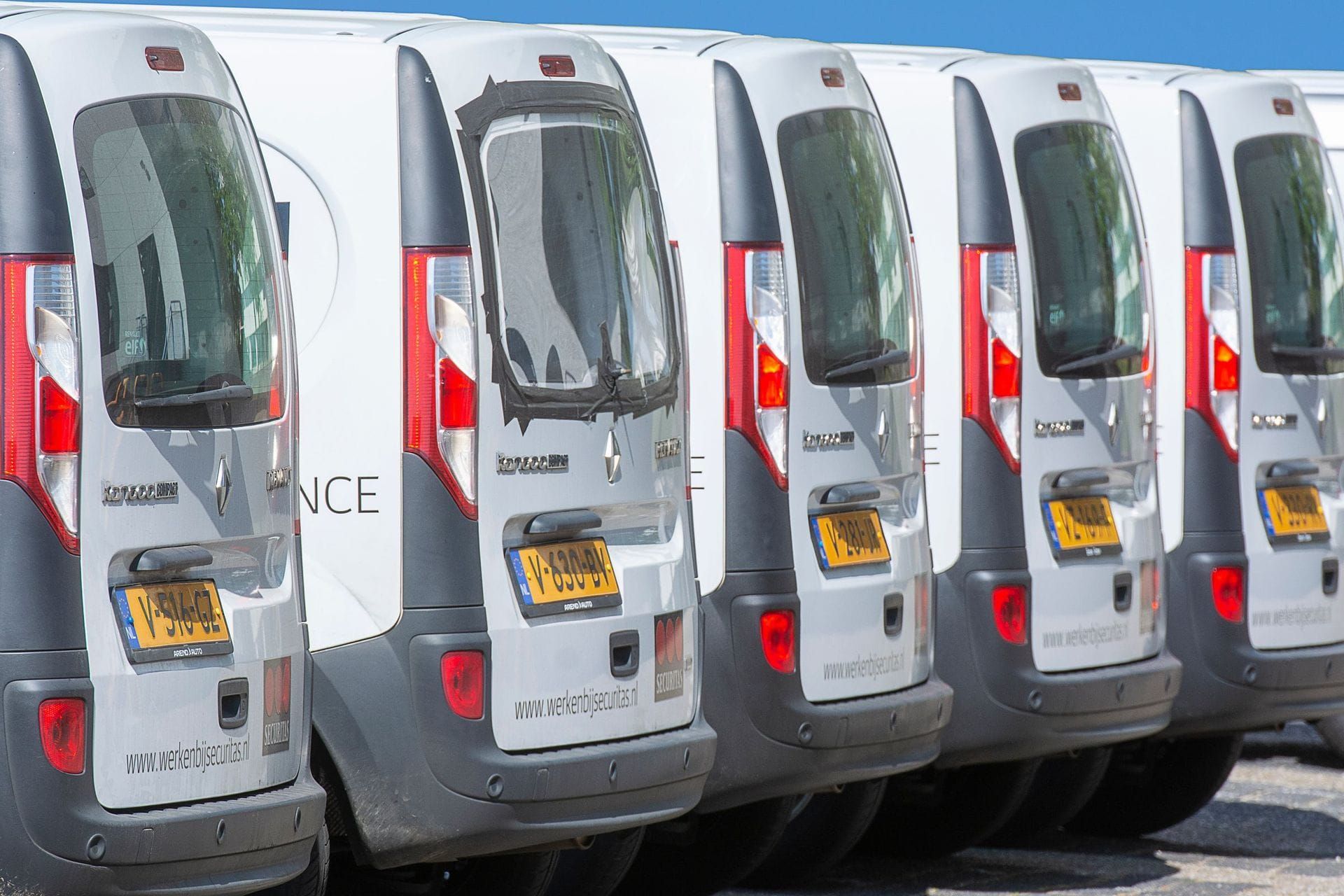
Delivery contracts often run shorter than vehicle loans. Example: a company wins a two-year route contract that requires eight cargo vans at $55,000 each. Assumptions for illustration only: 90% financed on a 5-year loan at 9.5%, computed with the payment formula of our commercial mortgage calculator.
Amount
Eight vans
$440,000
Financed (90%)
$396,000
Monthly payment, 5 years, 9.5%
$8,317 (about $1,040 per van)
Loan balance when the 2-year contract ends
about $259,600
If the contract is not renewed, about $259,600 is still owed on vans you may not need. Before you sign, compare that balance with what the vans would sell for after two years, ask about a shorter term or a lease with a return option, and make sure the contract’s rate covers the payment, insurance and maintenance per route. Lenders will ask for the contract itself and how long the customer has used outside carriers.
FAQ
Logistics & Delivery Business Loan FAQs
Common questions about logistics and delivery company financing
What loans are best for delivery companies?
Fleet/vehicle financing covers delivery vans and cargo vehicles (1–5 days, 600+ credit). Invoice factoring provides immediate cash against shipper and retailer invoices (24–72 hours). SBA loans are ideal for acquiring a logistics company. Lines of credit cover fuel, driver payroll, and peak season surges.
Should my vehicle loan match my delivery contract?
As closely as you can. Eight $55,000 vans financed 90% over five years at 9.5% cost about $8,317 a month, and about $259,600 is still owed after two years. If the contract runs two years, compare that balance with the vans’ resale value, or look at a shorter term or a lease with a return option.
How do delivery companies manage cash flow gaps?
Invoice factoring converts outstanding delivery invoices to immediate cash — 85–95% advance within 24–72 hours at 1.5–5% per 30 days. No debt added to balance sheet. Approval based on your client's (Amazon, Walmart, etc.) credit, not yours. Lines of credit also work well for predictable recurring gaps like fuel between delivery payment cycles.
Can I get a loan to win an Amazon DSP contract?
Amazon Delivery Service Partner (DSP) contracts require fleet investment ($50K–$500K+). Equipment/fleet financing covers the vehicles with fast approval (1–5 days). SBA loans can cover larger fleet needs. Some lenders have specific DSP programs. Amazon's DSP onboarding team can point you toward preferred financing partners.
How can logistics companies finance fleet expansion?
Equipment/fleet financing is the standard — approval in 1–5 days, 600+ credit, vehicles serve as collateral. Most lenders finance 80–100% of vehicle cost. Volume purchases (5+ vehicles) may qualify for fleet rates. SBA loans work for larger expansions when you need working capital alongside the vehicles.
What credit score does a logistics company need?
Fleet financing accepts 600+. Invoice factoring accepts 500+ (client credit is primary). Lines of credit need 650+. SBA loans require 680+. New logistics companies with strong contracts but limited credit history can use invoice factoring effectively — the shipper or retailer's creditworthiness carries the approval.
How do logistics companies prepare for Q4 peak season?
Set up a business line of credit by Q2 — draw in September/October for extra drivers, fuel reserves, and temporary vehicles. Repay after the Q4 rush. Invoice factoring accelerates payment on holiday-season invoices. Planning 90 days ahead is the key.